Treated by Dr. Surya Sri Krishna Gour
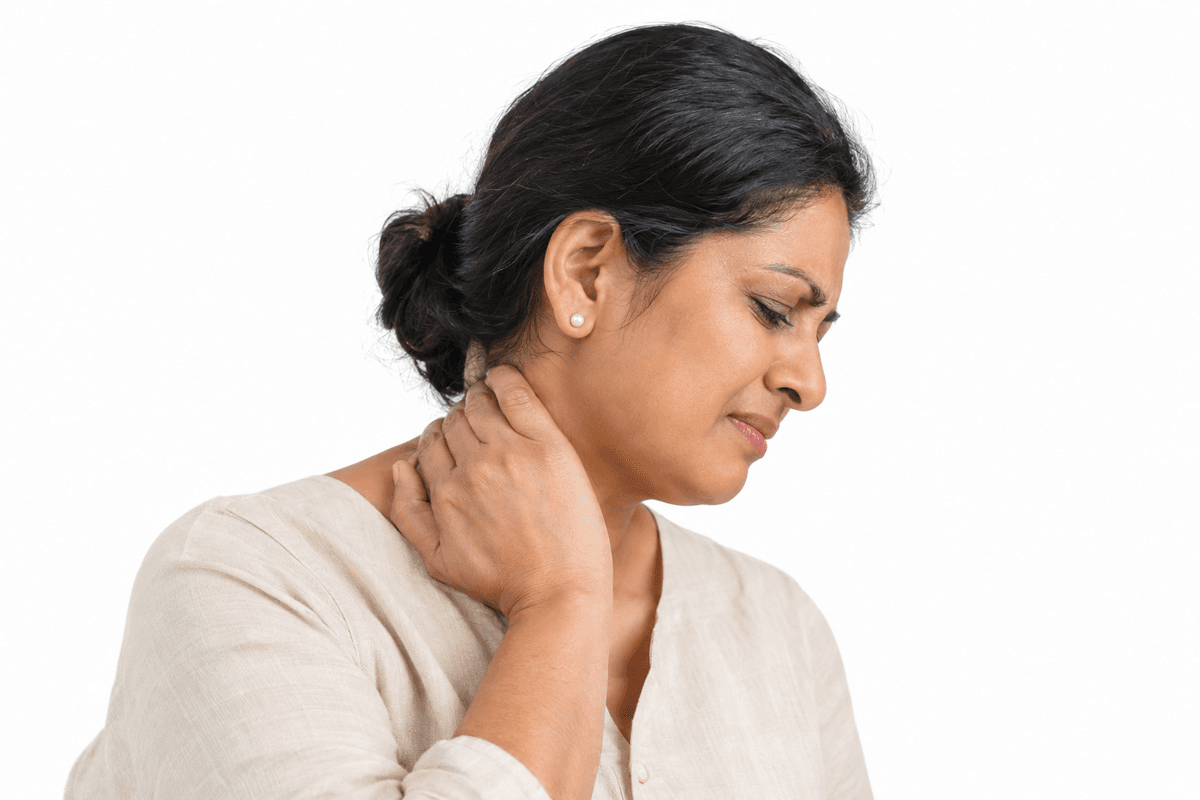
Neck pain is discomfort felt in the cervical spine or surrounding soft tissues. It can result from muscle strain, poor posture, disc changes, arthritis, nerve compression or injury. Most episodes improve with conservative care, though some cases need further investigation and treatment. Dr Surya Sri Krishna Gour evaluates and manages neck pain at his neurosurgery practice in Somajiguda.
Pain localized to the neck itself without radiation into the arms, often from muscle strain, ligament injury or facet joint irritation.
Neck pain accompanied by radiating pain, numbness or weakness in the shoulder, arm or hand, typically from nerve root compression by a disc or bone spur.
Neck discomfort associated with signs of spinal cord compression, such as hand clumsiness, gait difficulty or bowel and bladder changes.
Multiple factors can contribute to the development and progression of this condition.
Recognising the signs early gives you more treatment options.
Assessment begins with a detailed history and physical examination to identify the source and any neurological involvement. Imaging or other tests are ordered when symptoms persist, worsen, or suggest nerve or spinal cord problems. Not every patient requires every investigation.
From conservative to surgical — we always start with the least invasive option first.
A structured, patient-first approach from first visit to full recovery.
Dr Surya Sri Krishna Gour takes a detailed account of symptom onset, location, radiation and aggravating factors, then performs a neurological examination to identify any nerve or spinal cord involvement.
Imaging such as X-ray or MRI is ordered when red-flag features are present, symptoms persist beyond a few weeks, or a structural cause is suspected. Studies are interpreted alongside the clinical findings.
Conservative measures including physiotherapy, medications and activity modification are started first. If these do not provide adequate relief and imaging shows a surgically correctable problem, procedural options are discussed.
Progress is monitored at regular intervals. The treatment plan is adjusted based on symptom response, functional improvement and patient goals, ensuring care remains aligned with individual needs.
What to expect at each phase of recovery.
Initial focus is on reducing pain and muscle spasm with rest, medication and gentle mobilization. Timelines vary; many patients notice improvement within days to a few weeks, though individual guidance takes priority.
As discomfort eases, structured exercises rebuild neck strength, flexibility and endurance. This phase may last several weeks to months and aims to prevent recurrence.
Gradual resumption of work, sport and daily tasks, with attention to posture and ergonomics. Some patients recover fully; others may have intermittent symptoms requiring ongoing self-management.
Many patients experience significant pain reduction and restored mobility with conservative care. Surgical decompression can relieve nerve or cord compression when appropriate, though complete elimination of all symptoms is not guaranteed.
Postural correction, regular strengthening exercises and ergonomic adjustments help reduce the risk of future episodes. However, neck pain can recur, especially in the presence of underlying degenerative changes.
Some patients continue to experience intermittent discomfort or stiffness despite treatment. Factors such as chronic degenerative disease, psychological stress and occupational demands can influence long-term outcomes.
When nerve or spinal cord compression is relieved early, sensory and motor function often improves. Longstanding or severe compression may result in incomplete recovery, and outcomes vary between individuals.
Mild neck pain often resolves on its own, but persistent or worsening symptoms may lead to chronic discomfort and disability. Untreated nerve root compression can result in progressive weakness, sensory loss and impaired hand function. Spinal cord compression carries the risk of permanent neurological deficit, including difficulty walking and loss of bowel or bladder control.
Seek medical attention if neck pain follows a significant injury, is accompanied by fever or unexplained weight loss, or is associated with progressive arm weakness, numbness or difficulty walking. Bowel or bladder dysfunction requires urgent evaluation. Persistent pain that does not improve with rest and over-the-counter measures also warrants a clinical assessment.
Early treatment means more options and better outcomes. Book a consultation to understand your condition and explore the right path forward.