Treated by Dr. Surya Sri Krishna Gour
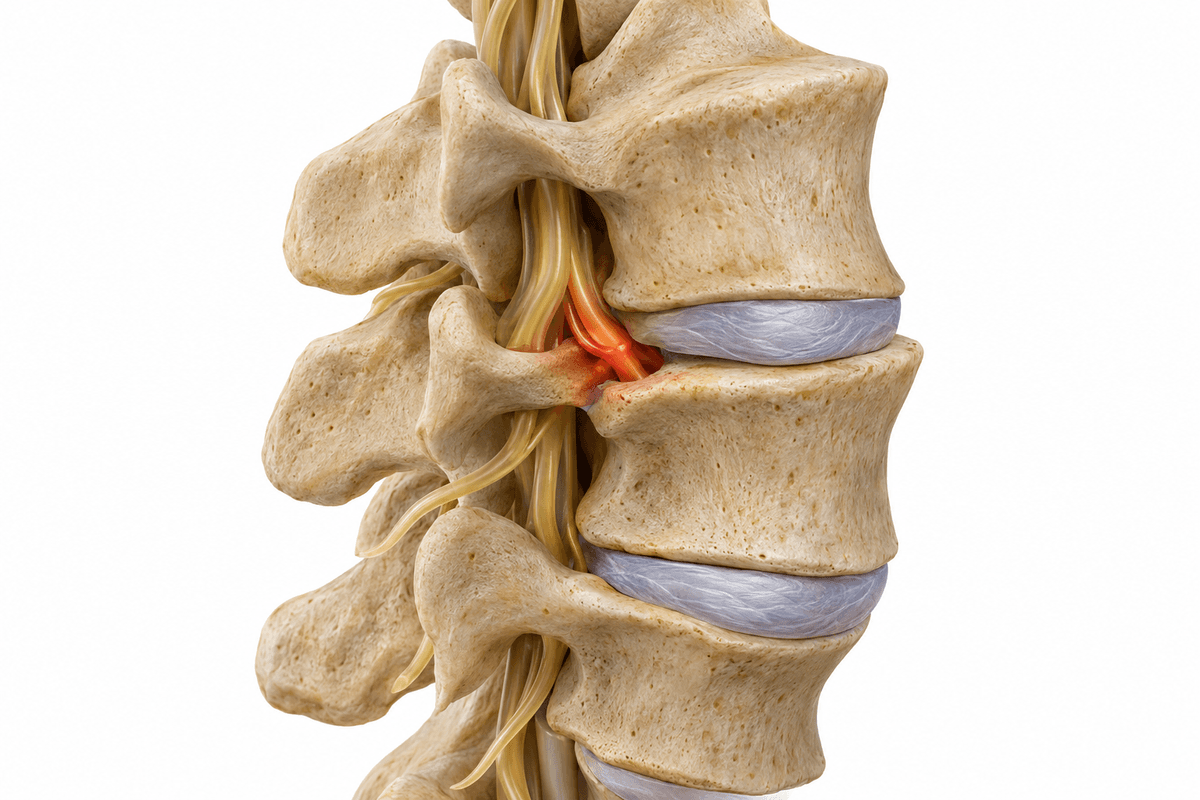
Listhesis, commonly known as spondylolisthesis, is a spinal condition in which one vertebra slips out of alignment over the vertebra below it. This slippage can occur in any part of the spine but most often affects the lower back. The condition may develop from wear and tear over time, injury, or structural defects present from birth. Dr Surya Sri Krishna Gour assesses each case individually to determine the most appropriate management approach.
Results from age-related wear of the spinal joints and discs, typically affecting adults over 50, most commonly in the lower lumbar spine.
Occurs due to a defect or stress fracture in a small bony bridge (pars interarticularis) between vertebral joints, often developing in younger individuals.
Present from birth due to abnormal bone formation in the spine, though symptoms may not appear until later in childhood or adolescence.
Multiple factors can contribute to the development and progression of this condition.
Recognising the signs early gives you more treatment options.
Assessment begins with a detailed history of symptoms and physical examination to check spinal alignment, movement, and nerve function. Imaging studies help confirm the diagnosis and determine the degree of slippage, though not every patient requires every investigation.
From conservative to surgical — we always start with the least invasive option first.
A structured, patient-first approach from first visit to full recovery.
Dr Surya Sri Krishna Gour begins with a thorough history and neurological examination, followed by review of imaging to understand the degree of slippage and its impact on surrounding nerves.
Based on the severity of symptoms, degree of vertebral slip, and the patient's overall health, a tailored plan is developed, starting with conservative measures where appropriate.
Patients are guided through activity modification, physiotherapy referrals, and medication options to manage symptoms and improve spinal stability without surgery when feasible.
For cases that do not respond to conservative care or where there is significant instability or nerve compromise, Dr Surya performs spinal decompression and fusion procedures to relieve pressure and stabilise the spine.
What to expect at each phase of recovery.
For those managed conservatively, early weeks focus on pain control and gentle activity. After surgery, this phase involves wound healing, mobilisation with support, and gradual resumption of light activities under guidance.
Physiotherapy becomes central, with structured exercises to rebuild strength, flexibility, and endurance. Timelines vary widely depending on the individual and the treatment approach taken.
Ongoing attention to posture, core strength, and activity levels helps maintain spinal health. Regular follow-up ensures any changes are identified and managed promptly.
Many patients experience reduction in back and leg pain with appropriate management, though the degree of improvement varies and some baseline discomfort may persist.
Improved ability to perform daily activities and walk comfortably is a common aim, though individual results depend on factors such as the severity of slippage and nerve involvement.
Surgical stabilisation can prevent further slippage and protect nerve structures, but it does not reverse degenerative changes already present in the spine.
Even with successful treatment, some patients may need to avoid high-impact activities or heavy lifting long-term to protect the spine and maintain gains.
Without appropriate management, listhesis may lead to progressive vertebral slippage and worsening nerve compression. This can result in increasing pain, leg weakness, numbness, and difficulty walking. In severe cases, untreated spinal instability may cause permanent nerve damage and loss of function.
Seek medical attention if you experience persistent lower back pain that does not improve with rest, leg pain or numbness that interferes with daily activities, or any weakness in the legs. Immediate evaluation is important if you develop difficulty controlling your bladder or bowels, as this may indicate severe nerve compression requiring urgent care.
Early treatment means more options and better outcomes. Book a consultation to understand your condition and explore the right path forward.