Treated by Dr. Surya Sri Krishna Gour
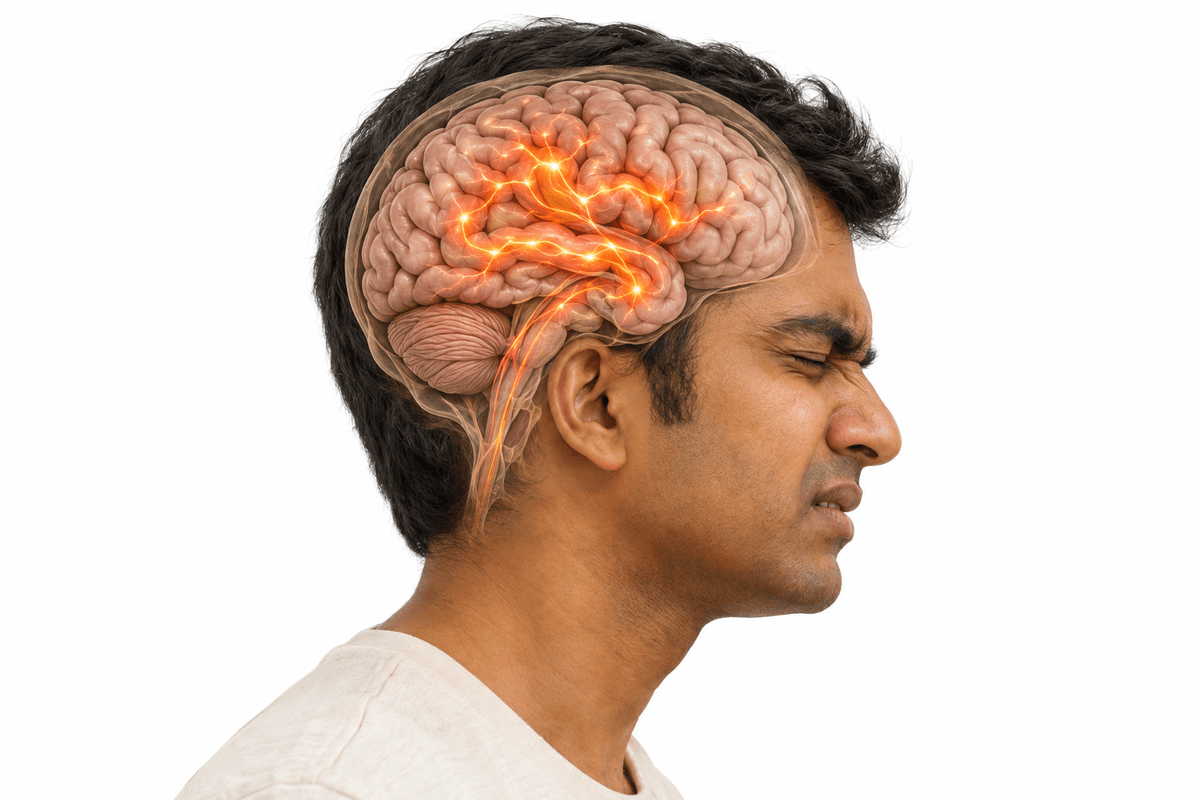
Epilepsy is a neurological disorder in which abnormal electrical activity in the brain leads to repeated seizures. Seizures can vary widely—from brief lapses in awareness to convulsions involving the whole body. Dr Surya Sri Krishna Gour evaluates each patient carefully to understand the type of epilepsy and recommend appropriate treatment, which may include medication, lifestyle changes, or surgical options when needed.
Seizures that begin in one area of the brain. They may affect awareness or remain localized, sometimes spreading to involve the entire brain.
Seizures that involve both sides of the brain from the start. These include absence seizures, tonic-clonic seizures, and other types that affect consciousness and motor control.
Seizures where the starting point in the brain is not clear, often because they were not witnessed or recorded on monitoring equipment.
Multiple factors can contribute to the development and progression of this condition.
Recognising the signs early gives you more treatment options.
Diagnosis begins with a detailed clinical history and neurological examination to understand seizure patterns and triggers. Investigations help confirm the diagnosis and identify any underlying causes; not every patient needs every test.
From conservative to surgical — we always start with the least invasive option first.
A structured, patient-first approach from first visit to full recovery.
Dr Surya Sri Krishna Gour takes a thorough history of seizure events, triggers, and family history, along with a full neurological examination to understand the nature of the epilepsy.
EEG and brain imaging are arranged to confirm the diagnosis and identify any structural causes. Video EEG monitoring may be used if seizure patterns are unclear.
A treatment plan is developed based on seizure type, frequency, and the patient's overall health. Medication is the first-line approach, with adjustments made to achieve the best control with minimal side effects.
For patients with drug-resistant epilepsy, Dr Surya Sri Krishna Gour conducts a comprehensive pre-surgical evaluation to determine if surgery or device-based therapy is appropriate, working closely with the patient to discuss risks and benefits.
What to expect at each phase of recovery.
After starting treatment, the focus is on achieving seizure control and monitoring for side effects. Medication adjustments are common during this phase, and timelines vary by individual response.
Patients continue medication and regular follow-up to maintain seizure control. Lifestyle modifications and adherence to treatment are important to reduce the risk of breakthrough seizures.
After epilepsy surgery, patients are monitored closely for seizure activity and neurological function. Medication is often continued, with gradual adjustments based on outcomes. Individual recovery and seizure freedom vary.
Many patients achieve significant reduction in seizure frequency with medication or other treatments, improving quality of life and safety. Complete seizure freedom is not always possible.
Anti-seizure medications can cause side effects such as drowsiness, dizziness, or mood changes. Treatment is adjusted to balance seizure control with tolerability.
For selected patients, epilepsy surgery may lead to substantial improvement or freedom from seizures. However, not all patients are surgical candidates, and outcomes depend on many factors.
Epilepsy is usually a long-term condition requiring continued medication and follow-up, even when seizures are well controlled. Lifestyle and adherence play a key role in maintaining stability.
Without treatment, seizures can become more frequent and severe, increasing the risk of injury from falls or accidents. Repeated seizures can affect memory, cognition, and quality of life. In rare cases, uncontrolled seizures can lead to life-threatening complications.
Seek medical attention if you experience a first-time seizure or if seizures become more frequent or different in nature. Emergency care is needed if a seizure lasts more than five minutes or if multiple seizures occur without recovery in between. Anyone with epilepsy should have regular follow-up to adjust treatment and monitor for complications.
Early treatment means more options and better outcomes. Book a consultation to understand your condition and explore the right path forward.