Treated by Dr. Surya Sri Krishna Gour
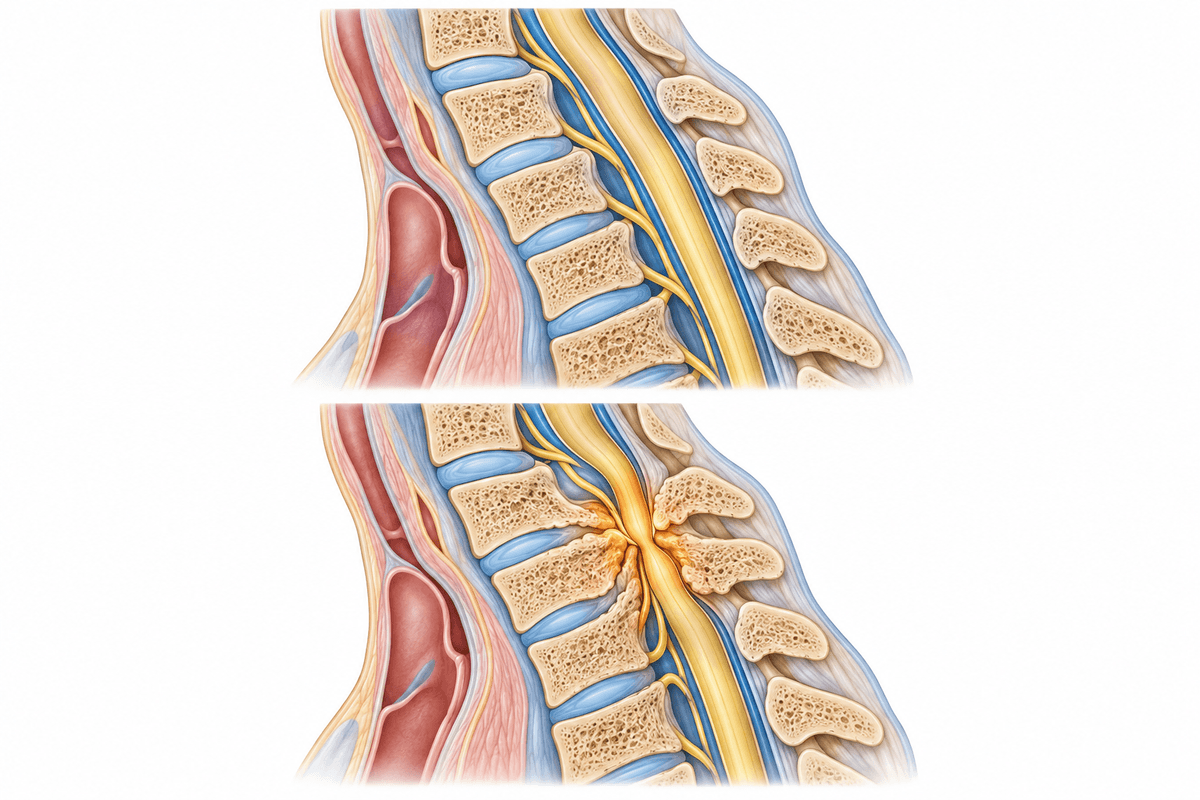
Cervical canal stenosis occurs when the spinal canal in the neck becomes narrower than normal, putting pressure on the spinal cord and nerve roots. This narrowing can develop due to age-related changes, wear and tear of the spine, or sometimes from birth. Dr Surya Sri Krishna Gour evaluates each patient individually to determine the most appropriate management approach based on symptoms and severity.
A narrower-than-normal spinal canal present from birth that may cause symptoms later in life when combined with age-related changes.
Narrowing that develops over time due to wear and tear, including disc bulging, bone spurs and thickened ligaments.
A combination of both congenital narrowing and degenerative changes that together cause significant compression.
Multiple factors can contribute to the development and progression of this condition.
Recognising the signs early gives you more treatment options.
Assessment begins with a detailed clinical history and neurological examination to identify symptoms and nerve involvement. Imaging studies help confirm the diagnosis and determine the extent of narrowing, though not every patient requires all tests.
From conservative to surgical — we always start with the least invasive option first.
A structured, patient-first approach from first visit to full recovery.
Dr Surya Sri Krishna Gour conducts a thorough neurological examination to assess strength, sensation, reflexes and walking ability, and reviews the history of symptoms.
MRI and other imaging studies are carefully reviewed to determine the location and severity of spinal canal narrowing and any spinal cord compression.
A management plan is developed based on symptom severity, neurological findings and patient circumstances, starting with conservative options when appropriate.
If surgery becomes necessary, Dr Surya Sri Krishna Gour performs decompression procedures tailored to the individual pattern of stenosis, aiming to relieve pressure while preserving spinal stability.
What to expect at each phase of recovery.
The first few weeks focus on wound healing and gradually resuming light activities. Pain and stiffness are common initially. Individual recovery timelines vary based on the treatment approach.
Guided physiotherapy helps restore neck strength, flexibility and proper movement patterns. The duration and intensity depend on the individual's condition and response.
Ongoing attention to posture, regular exercise and avoiding activities that strain the neck help maintain function. Regular follow-up allows monitoring for any changes.
Appropriate management aims to reduce pressure on the spinal cord and nerves, which may improve pain, weakness and sensory symptoms in many patients.
Timely intervention may help prevent further neurological decline, though improvement depends on the severity and duration of compression before treatment.
Patients may experience better hand function, balance and walking ability, though complete restoration is not always possible, especially when nerve damage has been long-standing.
Some symptoms may remain despite treatment, particularly if significant nerve or spinal cord damage occurred before intervention. Outcomes vary from person to person.
Untreated cervical canal stenosis can lead to progressive weakness, loss of hand function and difficulty walking. In severe cases, spinal cord damage may become permanent, affecting bowel and bladder control. Early recognition and appropriate management help reduce these risks.
Seek medical attention if you develop neck pain with numbness or tingling in your arms or hands, weakness in your limbs, or difficulty with balance and walking. Immediate evaluation is needed if you experience sudden severe weakness, loss of bowel or bladder control, or rapid worsening of symptoms.
Early treatment means more options and better outcomes. Book a consultation to understand your condition and explore the right path forward.