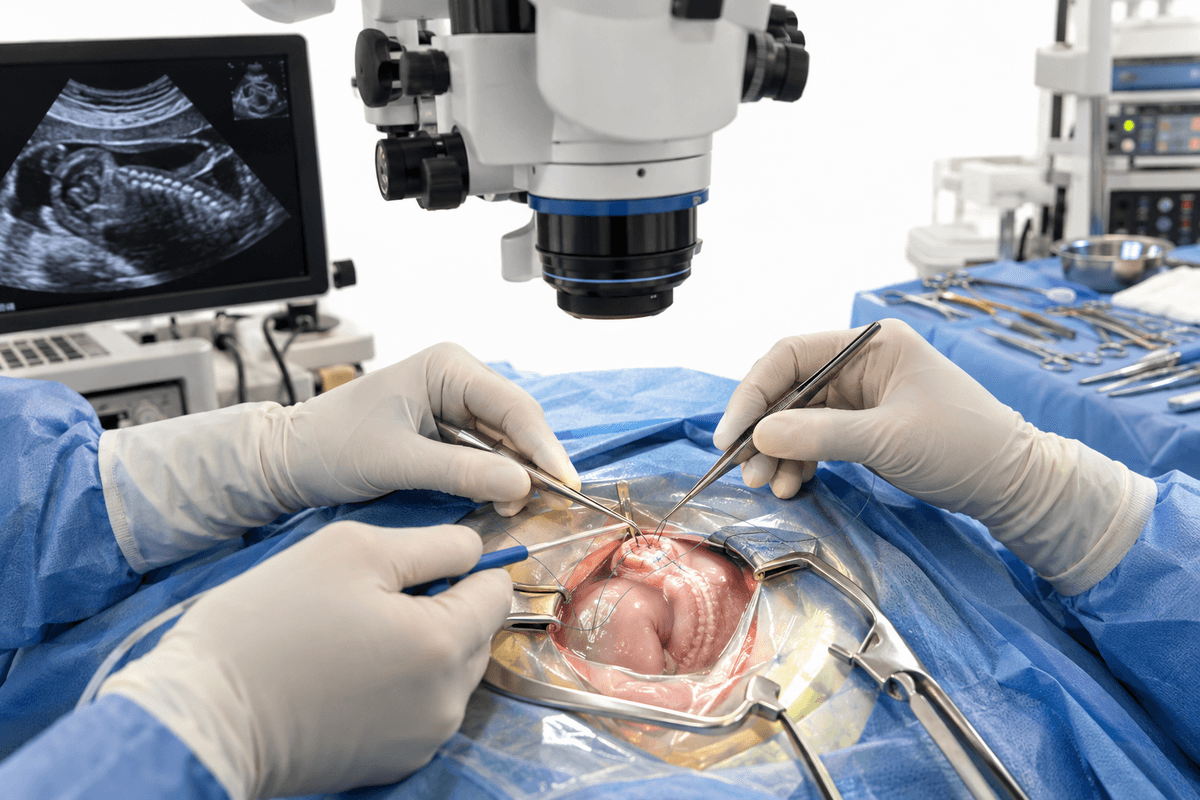
Performed by Dr. Surya Sri Krishna Gour
Spina bifida repair is a surgery performed to close an abnormal opening in the backbone that occurs before birth. The procedure aims to protect the exposed spinal cord and nerves from damage and reduce the risk of infection. Dr Surya Sri Krishna Gour evaluates each infant's condition to determine the appropriate timing and approach for repair.
We believe in honest, upfront disclosure so you can make an informed decision.
A step-by-step look at what happens during this procedure.
The infant is given general anaesthesia to ensure they remain still and comfortable throughout the procedure.
An incision is made around the spina bifida sac, and the surrounding skin and tissues are carefully separated.
The exposed spinal cord and nerves are gently placed back inside the spinal canal, and the protective membranes are closed around them.
The muscles and soft tissues over the spine are brought together to provide a protective layer over the repaired area.
The skin is carefully closed with sutures, creating a sealed barrier to prevent infection and protect the spinal cord.
A structured, patient-first approach from first consultation to full recovery.
Dr Surya Sri Krishna Gour evaluates the extent of the spinal defect through physical examination and imaging to plan the repair approach.
The procedure is performed with careful attention to preserving nerve function while closing the spinal opening and covering it with healthy tissue.
The infant is closely monitored for signs of hydrocephalus, infection, or wound complications in the days following surgery.
Regular assessments are scheduled to monitor growth, development, bladder and bowel function, and mobility as the child grows.
What to expect at each stage of your recovery journey.
The infant remains in hospital for monitoring of the surgical site, feeding, and neurological function. Pain is managed and the wound is kept clean and protected.
Parents learn how to care for the incision, watch for signs of infection or fluid buildup, and support the infant's positioning and comfort. Follow-up appointments are scheduled.
Ongoing monitoring is needed as the child grows to check for complications like tethered cord, bladder problems, or mobility issues that may require additional interventions.
The surgery closes the opening and reduces the risk of infection and further nerve damage. However, it does not reverse nerve damage that occurred before birth.
Repair aims to prevent meningitis and protect exposed neural tissue. Many children will still need management for hydrocephalus, bladder dysfunction, or mobility challenges.
Early closure may preserve remaining nerve function and support better developmental outcomes, though the degree of disability varies widely based on the level and severity of the defect.
This procedure is the first step in lifelong management. Most children will require multidisciplinary care including physical therapy, bladder management, and sometimes additional surgeries.
The right choice depends on your diagnosis, risks and circumstances — discussed with you at your consultation.
In select cases, the defect can be repaired before birth through surgery on the uterus. This option depends on specific criteria, gestational age, and availability of specialised centres.
In very rare circumstances where surgery poses excessive risk due to severe associated anomalies or extremely premature birth, temporary protective dressings may be used. This is not typical and depends on individual clinical circumstances.
Let's clear up some of the most common myths about spina bifida repair.
Get a personalised assessment from an experienced specialist. Understand your options, ask your questions, and decide with confidence.